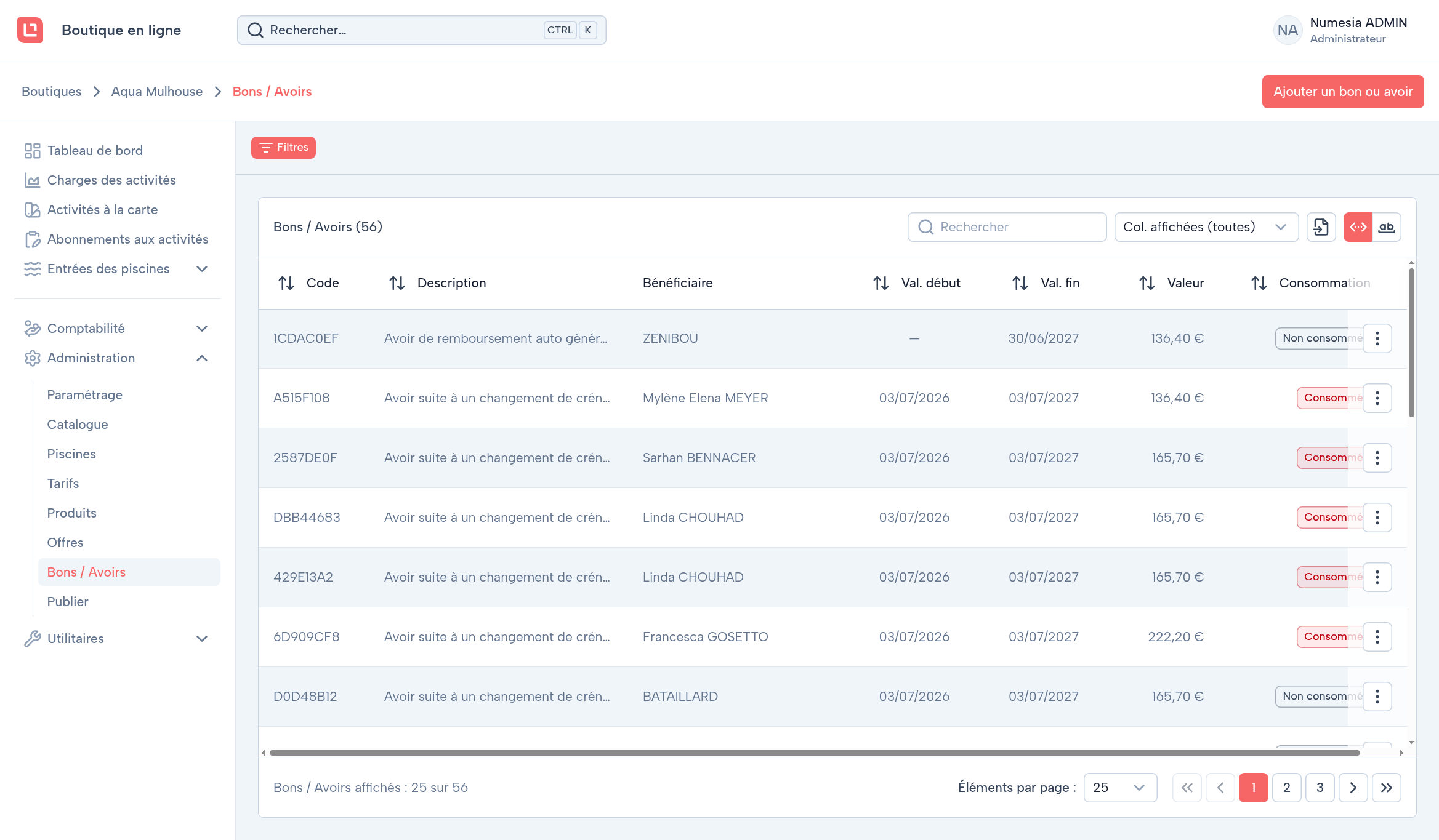
Context & Business Challenges
As part of the modernization of its municipal public services, the City of Mulhouse partnered with Logitud Solutions to completely overhaul the online ticketing and purchasing engine for its aquatic and sports facilities (Aqua Mulhouse). The main challenge was to replace a legacy tool with a modern, ergonomic SaaS front-end integrated into the territorial citizen portal Mon-Guichet.
The front-end needed to withstand heavy summer traffic spikes while easily guiding citizens through a diverse product catalog: single-entry tickets, nominative season passes, and collective classes with real-time limited capacities (aquagym, swimming lessons).
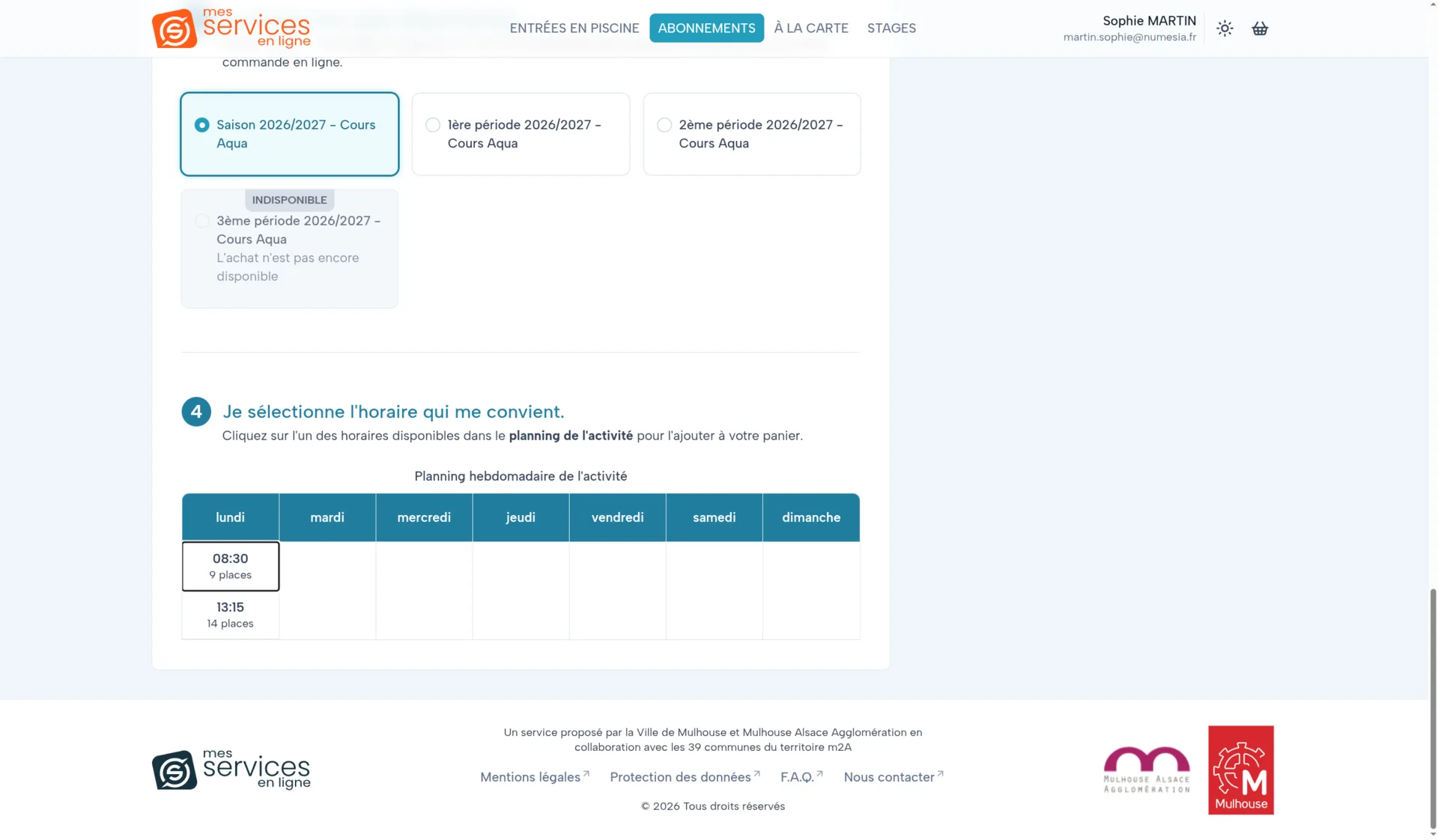
Architecture & Technical Decisions
I designed and built the front-end architecture using Nuxt 4, strict TypeScript, and TailwindCSS, ensuring optimal usability and high maintainability.
The application relies on a modular front-end architecture:
- Presentation & Layout: Modular auto-imported components, responsive layouts, and immediate interactive feedback via toast notifications.
- State & Business Logic: Reactive Pinia stores decoupled from views, and custom composables orchestrating cart persistence and booking schedules.
- Network & API Contracts: Resilient API interceptor (
useApiFetch) wrappingofetch, guaranteeing strict DTO typing and smooth session lifecycle management.
Technical Challenges & Solutions
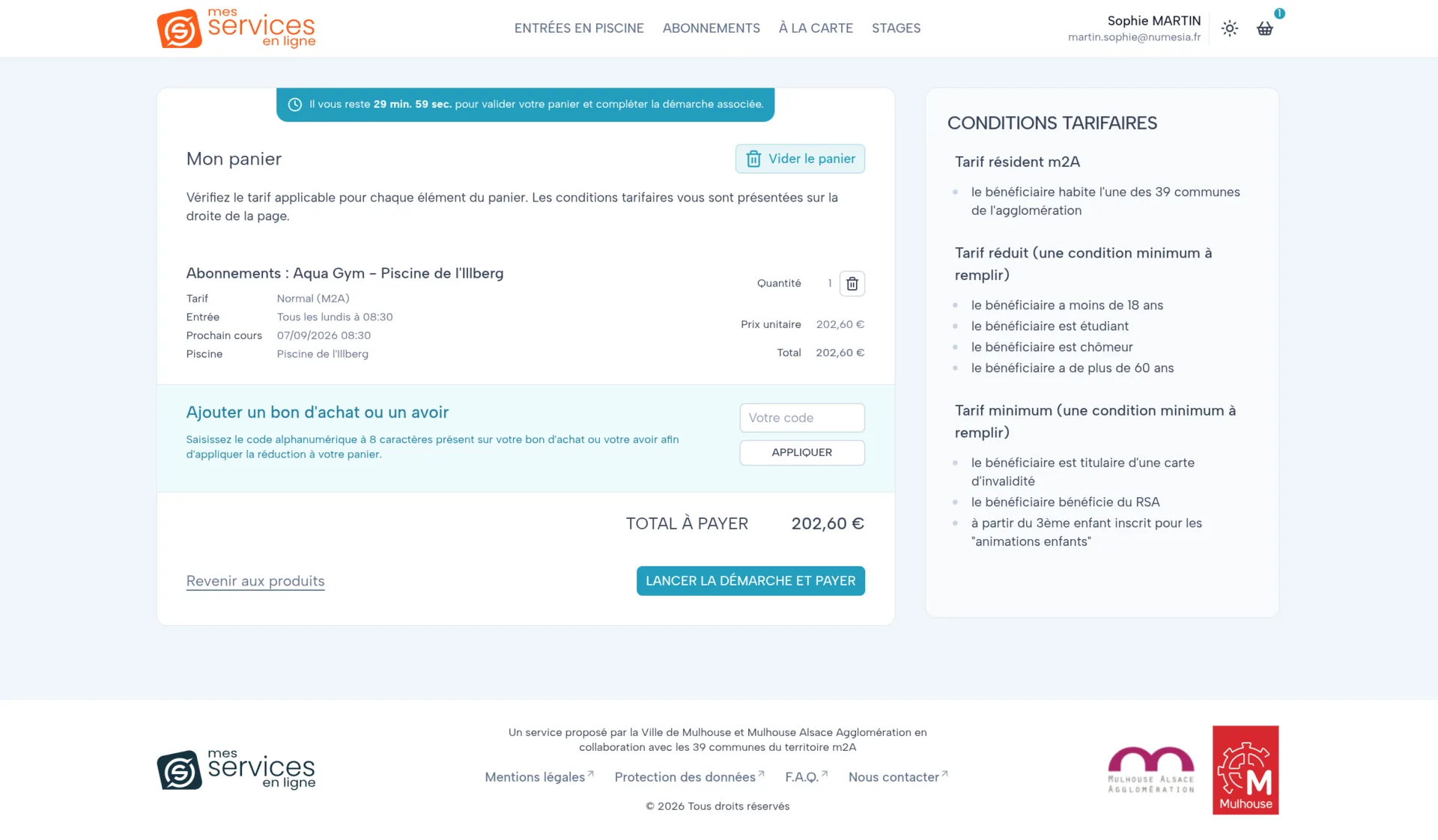
Seamless Checkout Funnel & Reactive Multi-Product Cart
The citizen experience was engineered to minimize any purchasing friction:
- Real-Time Booking: Interactive calendar interface with immediate validation of available time slot quotas prior to cart addition.
- Reactive Cart (Pinia): Dynamic calculations of tiered pricing and discounts (residents, families, students), with local persistence to prevent any state loss during inadvertent page refreshes.
- Graceful Network Error Handling: Intuitive recovery prompts in case of session timeouts or recently filled capacities, without losing the user's booking flow.
High-Productivity Admin Components
To empower municipal staff managing schedules and registrations, I engineered reusable UI components:
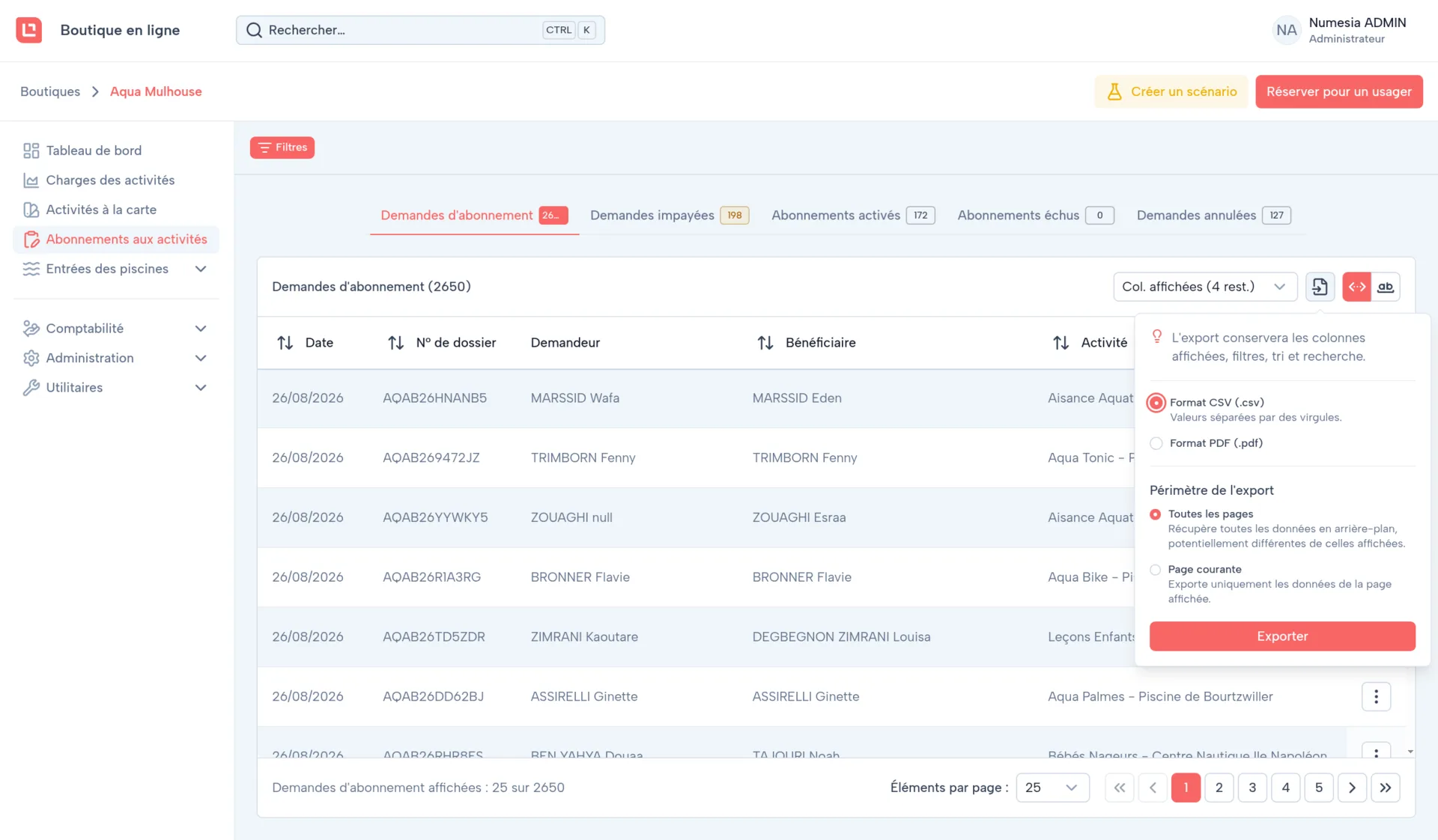
- Dual-Mode High-Performance DataTable: Instant in-memory search, multi-column sorting, and pagination (< 30 ms) on the client side, seamlessly switching to server-side mode for massive datasets, with native CSV and PDF exports.
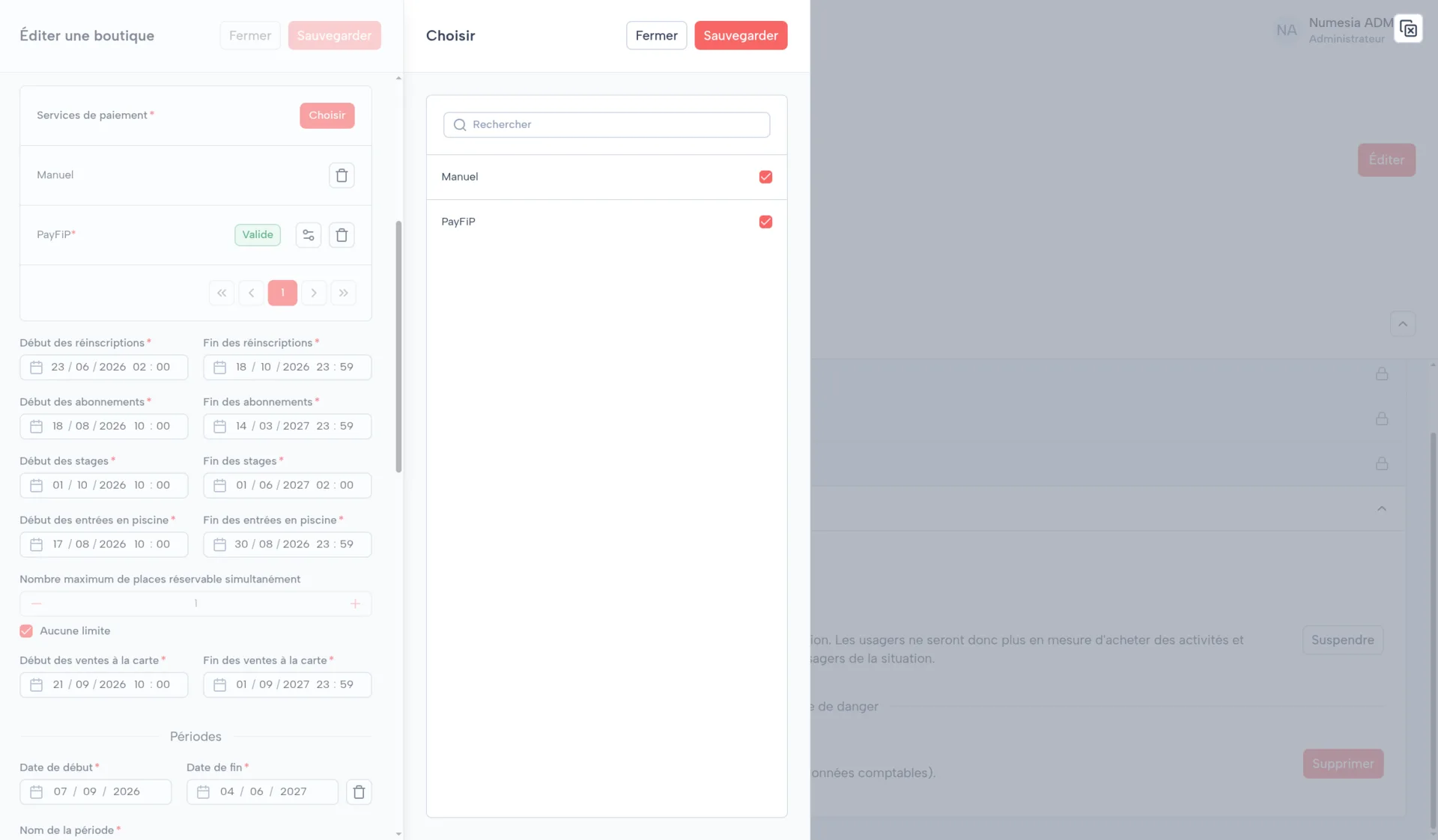
- Stackable Drawers System: Multi-panel lateral sliding stack (LIFO) with RGAA-compliant focus trapping, enabling deep file inspection without losing the working background context.
- JSON Diff Viewer & Dashboards: Visual Git-like split/unified diff comparator for pricing audit trails, and interactive Apache ECharts dashboards for real-time sales and attendance analytics.
Technical Coordination & Agile Management (25 sprints)
Beyond the front-end architecture, I led technical coordination and software industrialization across 25 Scrum sprints: defining quality standards, CI/CD governance, architecture resolution through POCs, and driving feedback loops with the City of Mulhouse. This management experience was formally presented in a dedicated Slidev defense presentation for RNCP Level 7 certification.
Quality, Performance & Accessibility
- Automated CI/CD Pipelines: Pull Request checks including ESLint, strict TypeScript compiler verification, and Vitest unit test suites reaching 85% code coverage.
- Ergonomics & Accessibility: Universal keyboard shortcuts (
Ctrl+Kcommand palette), WCAG AA contrast compliance, and managed ARIA dialog lifecycles.
Impact & Key Results
- > €600,000 in transactions securely processed through the new online purchasing funnel.
- 90% dematerialization of pass and ticket purchases from the very first months.
- 40% time saved by the engineering team when developing new back-office screens.
- Smooth and responsive user journey, acclaimed by facility managers for its intuitive design.
Documentation & Resources
To delve deeper into implementation details and project governance: